Blog · Competitive Edge Combat Sports
Brazilian Jiu-Jitsu Youth Belts: Kids Belt Order and Why It Matters
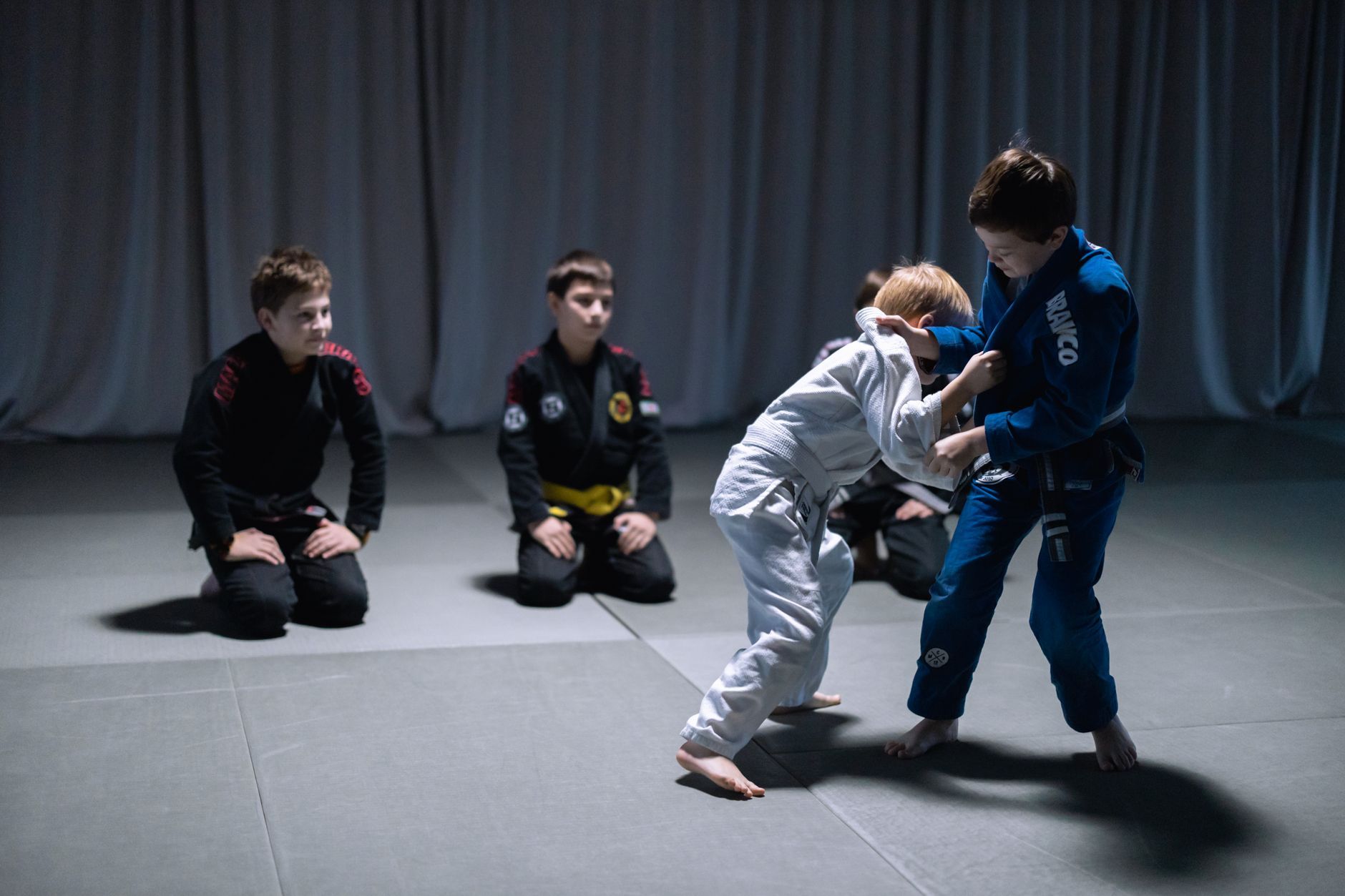
The Brazilian Jiu-Jitsu youth belts progress white, gray, yellow, orange, then green, and kids move to adult belts at 16 under IBJJF rules. That order gives children clear milestones and age-appropriate goals. It builds confidence, coordination, and focus while keeping training fun and structured for growing bodies and minds.
What are the key points parents need to know about brazilian jiu jitsu youth belts?
The youth belt order is white, gray, yellow, orange, then green. Children use this system until age 16, when the IBJJF places them in the adult belts. Kids also earn stripes between belts, which recognize progress in skill and consistency without tying promotion to a fixed time.
On the mats here in Florence, SC, we start every child as a white belt and coach them through small, steady steps. The International Brazilian Jiu-Jitsu Federation (IBJJF) sets the youth structure and minimum ages for each belt color, and academies apply stripe systems that fit their programs.
Typical youth belt stages, common ages, what kids learn and the character or physical traits each stage builds.
| Youth belt (typical age range) | What the child is learning | What it builds |
|---|---|---|
| White (4 to 15) | Safe falling, rolling, hip escapes, following instructions | Comfort on the mat, coordination, listening skills |
| Gray (4 to 15) | Escapes, basic control, positional awareness | Body control, patience, problem solving |
| Yellow (7 to 15) | More grappling techniques and simple strategy | Confidence, timing, competitive thinking |
| Orange (10 to 15) | Complex transitions and combinations | Technical depth, balance, resilience |
| Green (13 to 15) | Advanced skills and refinement | Leadership, persistence, mat IQ |
What is the exact order and structure of kids BJJ belts?
Kids progress through white, then gray, yellow, orange, and green. From gray to green, each belt has three variations: color-white, solid color, and color-black, which provide more milestones inside each color. This keeps learning age-appropriate, with challenges that match a child’s maturity and mat experience.
Stripes, also called degrees, mark steps toward the next rank. Stripe systems vary by academy. The adult belt system begins at 16, which is why a 15-year-old green belt is still in the youth pathway. Source: IBJJF Graduation System.
How do children earn stripes and promotions in youth Brazilian Jiu-Jitsu?
Children earn stripes and belts through technical knowledge, consistent effort, and personal development. Promotions are not bought and do not follow one fixed timeline. Instructors follow IBJJF minimum age rules for colors while setting the pace based on a child’s maturity and skill level.
At Competitive Edge, we look at effort on the mat, attendance consistency, skills the child can show under light resistance, and behavior like self-control and teamwork. When those boxes are checked, we add a stripe or recommend a new belt. Fees or attendance tallies do not determine rank here.
What skills and lessons does a child learn at each youth belt level?
White belt builds comfort and safety. Kids learn safe falling, hip movement, rolling, and how to follow directions. Gray adds escapes, basic control, and positional awareness. Yellow expands techniques and simple strategy. Orange adds more complex transitions. Green focuses on refined skills and leadership.
The IBJJF sets age-appropriate competition rules for kids and restricts many submissions for safety. Coaches also match drilling to a child’s stage of development. See the table below for typical age ranges, what kids learn at each stage, and the character traits these lessons build.
When do kids switch to adult belts and what should parents expect at age 16?
At 16, students move from the youth system to adult belts under IBJJF rules. Depending on prior rank and demonstrated skill, a teen may receive an adult white or blue belt. The IBJJF sets blue belt as the second adult rank and requires a minimum age of 16.
Parents can expect a step up in class intensity and technical expectations. We prepare older teens by mixing advanced youth training with controlled rounds and adult fundamentals. Here in Florence, we coach the transition gradually so a teen feels confident and ready.
How does kids’ BJJ support confidence, discipline and bullying prevention?
Structured martial arts training builds confidence, self-control, coordination, and resilience. The CDC highlights that regular physical activity supports strong bodies and emotional well-being. StopBullying.gov notes that social and emotional skills help children handle conflicts, set boundaries, and seek help, which are key to bullying prevention.
Our Kids & Teens Bullyproof classes in Florence focus on real scenarios and emotional control inside a positive team culture. We coach respect, clear communication, and safe techniques in every session. If you want to see your child try it, claim a free trial via WhatsApp and meet the team.
- Do not confuse belt progress with payment; promotions are based on skill, effort and maturity, not fees.
- Do not rush a child into adult classes or adult belts before they are ready or before age 16.
- Do not compare a child to older students; progress is age and development dependent.
- Do not force competition training on a child who is not interested or emotionally ready.
- Do not ignore safety rules or let kids practice prohibited submissions for their division.
Train safely
- Stop training and seek medical attention for signs of concussion after a head impact, such as confusion, persistent dizziness, or vomiting.
- See a doctor for joint pain, swelling or inability to bear weight after an injury in class.
- Keep a child home and seek care if they have a fever or contagious illness, per common public-health guidance.
As coaches and parents, we want steady progress that builds character, skill, and joy on the mat. The youth belt path does exactly that, from white to green, then into adult ranks at 16. Ready to see it in action here in Florence, SC? Message us on WhatsApp to book a free trial and learn more about our Kids & Teens Bullyproof program.
References
- IBJJF Graduation System - ibjjf.com
- IBJJF Rule Book - ibjjf.com
- CDC, Physical Activity Basics for Children - cdc.gov
- StopBullying.gov, Prevention - stopbullying.gov
Published by Competitive Edge Combat Sports, Florence, SC. Last updated September 15, 2026.