Blog · Competitive Edge Combat Sports
Fitness for BJJ: Get in Shape Safely with Jiu-Jitsu and Conditioning
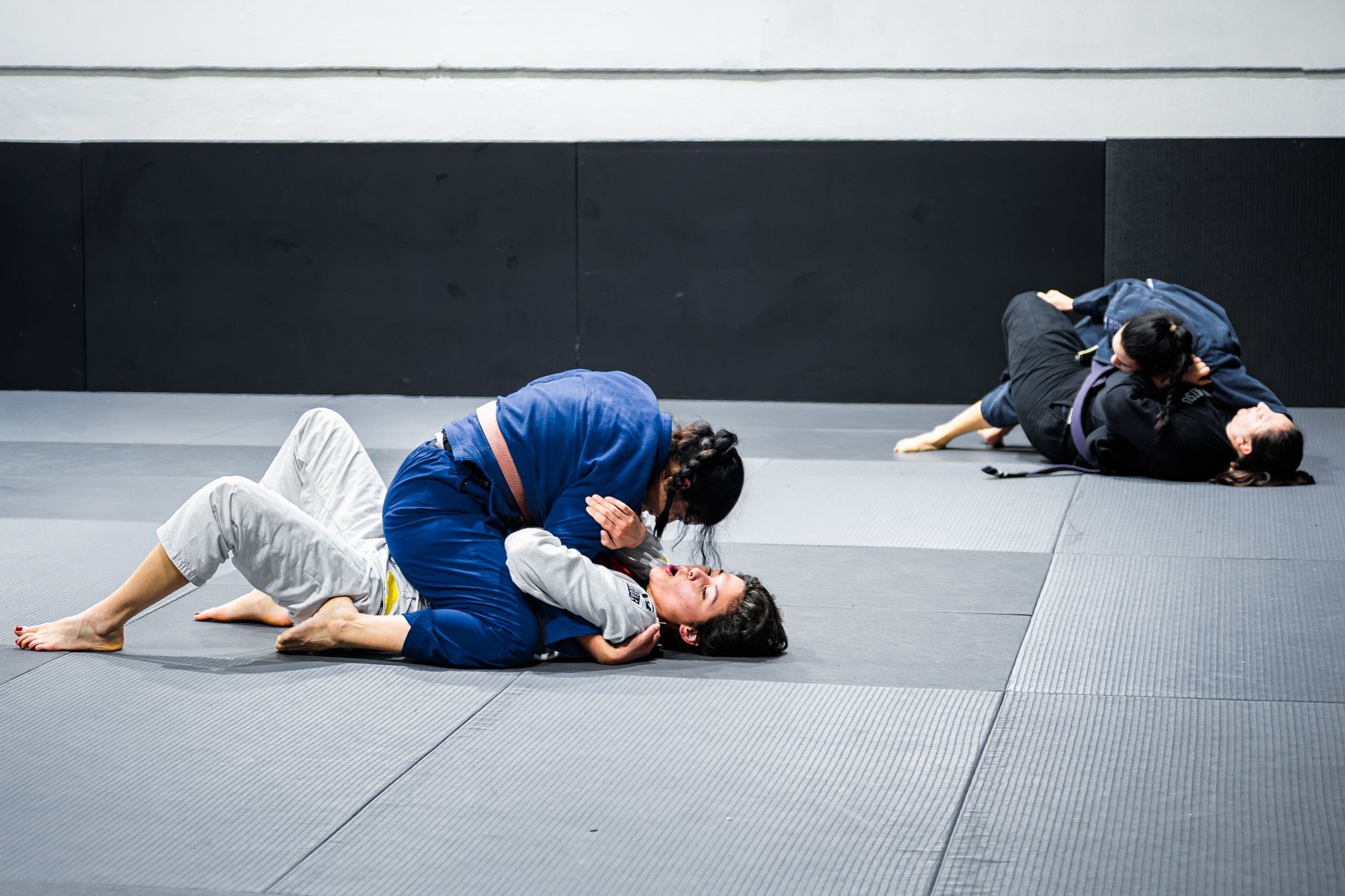
You build fitness for BJJ by training jiu-jitsu regularly and adding simple conditioning that carries to the mats. BJJ gives you a full-body, skill-based workout, and smart strength and cardio work speed up your progress. You do not need to be in shape to start. We scale, coach, and keep it safe.
What are the key takeaways?
You can start BJJ right now and build fitness as you learn. Regular mat time gives a full-body stimulus, and short, targeted conditioning makes it stick. We keep beginners safe and progressing. Use the Pee Dee Fitness floor to support your goals without replacing jiu-jitsu practice.
How mat time and the Pee Dee Fitness floor work together for common goals
| Fitness goal | How mat time helps | How the Pee Dee Fitness floor complements |
|---|---|---|
| Weight loss | Live rounds and drilling create a high work rate that burns calories while you learn skills. | Short strength circuits add lean muscle and a brief finisher increases daily energy expenditure. |
| Cardio and recovery | Rolling provides interval-style cardio with bursts and resets that raise heart and lung capacity. | Zone 2 sessions build an aerobic base so you recover faster between rounds and classes. |
| Strength and takedowns | Grip fighting, clinch work and stand-ups train whole-body strength under contact. | Squats, deadlifts and pulls increase leg drive, hip power and posture for entries and finishes. |
| Mobility and injury prevention | Guard work, hip escapes and frames move joints through useful ranges under control. | Targeted mobility and core stability improve joint control and resilience during scrambles. |
Do I need to be in shape before I try BJJ?
No. Beginners of any fitness level can start Brazilian Jiu-Jitsu safely. We scale rounds, teach fundamentals, and pair you with helpful partners so you can learn and build conditioning at the same time. Your first class is free, and we keep things simple so you can focus on learning.
On the mats here in Florence, SC, we start new students with stance, posture, frames and basic escapes, then add short, controlled rounds. The CDC recommends adults aim for at least 150 minutes of moderate aerobic activity weekly plus two days of muscle strengthening. If that sounds like a lot, do not worry. You will build toward it step by step with classes and basic home movement.
How does regular BJJ training help with weight loss and cardio?
BJJ is interval-style work: bursts of effort, brief resets, then repeat. That pattern raises your heart rate, challenges your lungs, and burns meaningful calories, especially when live rounds are included. Over time, you gain lean muscle that supports a higher resting metabolism and better body composition when paired with consistent habits.
On the mats, you push, pull, hip-escape, bridge, and carry your partner’s weight. That is full-body resistance. Regular practice improves cardiovascular fitness and work capacity much like other high-intensity interval formats, which research indexed by the National Library of Medicine shows can raise aerobic and anaerobic performance. Most people also notice steadier energy and better sleep as training becomes routine. Changes vary by person, and progress follows consistency.
What strength and conditioning build fitness for BJJ on the Pee Dee Fitness floor?
Use short, focused sessions that reinforce what you do on the mats. Think compound lifts for strength, kettlebells for hip power, pull-ups for grip and pulling strength, core drills for stability, HIIT for match intensity, and zone 2 cardio for recovery. These tools complement BJJ without replacing class time.
Practical picks and why they help BJJ:
- Compound strength: Squats and deadlifts build legs, hips and posterior chain for takedowns and pressure passing. Rows build posture for hand fighting and guard control.
- Kettlebells: Swings and cleans teach explosive hips for bridging, stand-ups and guard retention.
- Pull-ups and hangs: Strengthen lats, arms and grip for clinch control, collar ties and sleeve grips.
- Core stability: Planks, hanging leg raises and rollouts make frames and guard retention stronger under pressure.
- HIIT: Short intervals mimic the intensity of scrambles and rounds.
- Zone 2 cardio: Easy jogging, cycling or rowing builds an aerobic base so you recover between rounds.
For programming, follow NASM or ACE principles: start light, master technique, apply progressive overload, and keep adequate rest. At Competitive Edge, a 20 to 30 minute Pee Dee Fitness session before or after class can cover two lifts, one carry or pull, and a short finisher. Keep it repeatable, not random.
How long until I see change and what should I realistically expect?
With two to three classes a week, many beginners feel better energy, less stiffness and better sleep within a month or two. Measurable changes in conditioning, body composition and strength often appear over two to four months with steady training plus basic nutrition. Individual timelines vary, and consistency wins.
In our coaching here in Florence, we track simple markers: how many rounds you complete, how quickly you recover between rounds, and how positions feel under pressure. Off the mats, we look at a basic strength log and an easy cardio test you can repeat monthly. No shortcuts, just small, steady bumps. We do not promise outcomes. We build habits you can sustain.
How do I avoid injury and know when to slow down?
Warm up, move your joints through range, and add load gradually. Drill with control, tap early in sparring, and tell your partner what you are working on. Follow coach cues, hydrate, and leave a little in the tank. Smart pacing keeps you training more weeks per year.
The CDC emphasizes gradual progression and proper technique for exercise safety. Research libraries like PubMed highlight that progressive loading, sufficient recovery and sound mechanics reduce injury risk in sport. Practical checklist: arrive five minutes early for mobility, pick one area to strengthen that week, cap intensity if sleep is low, and skip any movement that spikes sharp joint pain.
Safety callout: stop training and seek medical care if you notice the red flags listed below in this article.
- Do not replace technical mat time with only gym conditioning.
- Do not jump into heavy lifts without coaching on form and progression.
- Do not ignore mobility and warm ups before rolling.
- Do not follow extreme diets or fitness fads promised to speed results.
- Do not push through sharp joint pain or dizziness during class.
Train safely
- New or worsening chest pain, sudden shortness of breath, fainting or near-fainting
- Sharp joint pain, sudden swelling, or inability to bear weight after a training incident
- Repeated dizziness, severe headache or vision changes during or after training
You do not need to wait to get in shape. Start jiu-jitsu, add simple conditioning, and let steady practice do its job. If you are near Florence, SC, come meet the team and feel the pace we coach. Message us to claim your free trial, then check the schedules on our Brazilian Jiu-Jitsu page: Brazilian Jiu-Jitsu or pair it with the Pee Dee Fitness floor.
References
- CDC, Centers for Disease Control and Prevention - cdc.gov
- NASM, National Academy of Sports Medicine - nasm.org
- ACE, American Council on Exercise - acefitness.org
- PubMed, National Library of Medicine - pubmed.ncbi.nlm.nih.gov
Published by Competitive Edge Combat Sports, Florence, SC. Last updated September 29, 2026.