Blog · Competitive Edge Combat Sports
Gi vs No-Gi BJJ: Which Should a Beginner Start With and Why
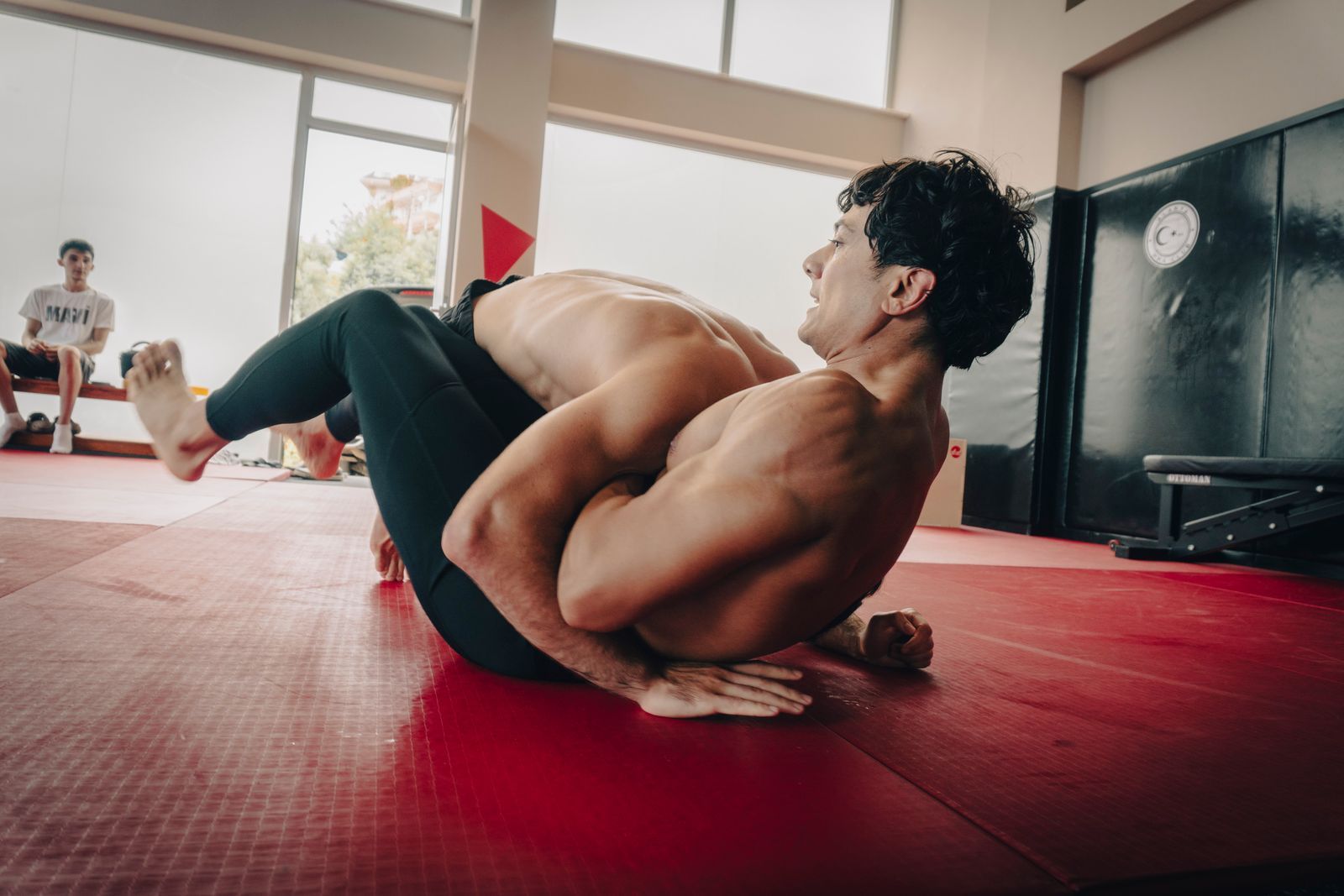
For gi vs no gi bjj, most beginners do well starting in the Gi because the grips slow the pace and help you learn control. No-Gi is a strong option too, especially if you prefer a faster feel or have MMA goals. We coach both formats here and help you choose based on your goals and schedule.
What are the quick facts to remember?
Start simple. Gi BJJ uses a uniform you can grip, which often slows exchanges and sharpens control. No-Gi removes fabric grips and speeds things up, so you learn to control the body directly. Most beginners learn faster in the Gi, but either path works if you are consistent.
Below, we explain definitions, grips, pace, and how to pick the right starting point. Then we cover what to wear and how your first class runs. You will be ready to try a session and see what fits.
Quick comparison of common aspects between Gi and No-Gi
| Aspect | Gi | No-Gi |
|---|---|---|
| Uniform | Heavy jacket, pants, and belt per IBJJF colors. | Rash guard and grappling shorts, no fabric grips. |
| Pace | Usually slower and more methodical. | Typically faster with more scrambles. |
| Grips/Control | Sleeves, collars, and pants create strong anchors. | Underhooks, head control, and body positioning. |
| Best for a beginner | Great for building deliberate control and fundamentals. | Good if you prefer a fast feel or have MMA goals. |
| Self-defense feel | Applies when clothing is present to grip. | Builds control when clothing is not available. |
What is Gi and what is No-Gi?
Gi BJJ uses a traditional uniform, a heavy jacket, pants, and belt. No-Gi BJJ removes the uniform and is practiced in a rash guard and shorts. The core art stays the same: positions, control, and submissions, only the grips and tempo change.
The Gi traces to the judo keikogi. Rank shows through belt color, which signals experience within Brazilian Jiu-Jitsu. The International Brazilian Jiu-Jitsu Federation (IBJJF) sets uniform rules for Gi competition, including approved colors like white, blue, and black, plus material requirements. No-Gi competition uses rash guards and shorts, not fabric grips.
We teach both formats under our Sa-lineage instruction. On the mats here in Florence, SC, you will find Gi and No-Gi classes side by side so you can train consistently in either or both.
How do grips and uniform change the way you train?
Gi training lets you grip sleeves, collars, and pants to control posture, frames, and balance. No-Gi bans clothing grips, so you rely on underhooks, overhooks, wrist control, head position, and hip control. The skill set overlaps, but the details and timing feel different.
In the Gi, a collar grip can anchor you to the opponent’s posture, slow movement, and set up sweeps or chokes. A pant grip can stop an escape or stabilize a guard. These options add technical depth and reward precise entries.
In No-Gi, you learn to hold with body position and tension. Underhooks, head control, and tight hip-to-hip pressure replace fabric grips. Exchanges move faster because nothing sticks. The IBJJF allows clothing grips in Gi competition, but not in No-Gi, which shapes how each format plays.
Is Gi slower than No-Gi, and why does that matter for beginners?
Yes, Gi is generally slower, and that helps beginners process positions and timing. No-Gi tends to be faster with more scrambles. A slower pace gives you extra beats to understand frames, posture, and transitions before speed becomes a factor.
When you can hold a sleeve or collar, you can pause a position and feel how pressure and angles work. That pause is valuable early on. You notice the details that make escapes and guard passes click.
From coaching experience, we see this every week. On the mats here in Florence, SC, we often start new students in the Gi so they can absorb core control before the tempo rises.
Which should a beginner start with, Gi or No-Gi?
Most beginners benefit from starting in the Gi. You learn grips, posture, and control at a deliberate pace, then carry those lessons into No-Gi. Both paths are valid though, and your goals matter. We help you choose and can blend both into your first few months.
Consider these factors:
- Goals: If you lean to MMA or a fast athletic feel, start No-Gi or mix both. For technical detail and classic sport BJJ, start Gi.
- Comfort: Some prefer the structure of the Gi. Others feel freer without it. Your preference keeps you consistent.
- Schedule: Pick the classes you can attend reliably. Consistency beats the perfect plan.
We offer both formats and adjust your starting point with you. The best start is the one you will show up for.
Does Gi or No-Gi prepare you better for self-defense or competition?
Both help, in different ways. Gi prepares you to use clothing for control, which maps to many real situations. No-Gi builds control without fabric and aligns with MMA rulesets. A balanced approach across both creates broader options without promising outcomes.
If a person wears a jacket or hoodie, Gi-style grips can manage posture and distance. If there is little to grab, No-Gi skills like underhooks, head control, and tight positioning matter. The IBJJF runs both Gi and No-Gi competitions, and the positional systems overlap strongly in either rule set.
We encourage a well-rounded plan: start where you learn best, then add cross-training to round out your game.
What should I wear and what will my first class look like?
For Gi, wear a clean Gi and belt. For No-Gi, wear a rash guard and grappling shorts. Trim nails, remove jewelry, and bring sandals for off-mat walking. Expect a warm-up, core movements, position drills, and controlled rounds suited to your level. Your first class is free.
IBJJF Gi standards accept white, blue, or black kimonos and specify fit and material in competition. For day-to-day training, stick to clean, well-fitted gear. No-Gi tops and shorts should have no zippers or pockets that can snag.
We introduce new students to basic posture, breakfalls, hip escapes, and simple positional drills. You will partner with someone experienced, and we coach you through each rep so you feel safe and engaged from minute one.
- Don’t assume No-Gi is automatically easier or safer than Gi.
- Don’t skip learning grips, posture and basic control because you plan to do No-Gi later.
- Don’t try advanced submissions without consistent positional control practice.
- Don’t train through severe joint pain or numbness just to keep up with faster No-Gi rolls.
Train safely
- Sharp joint pain, sudden swelling, or loss of range of motion during training, stop immediately and get checked.
- Dizziness, fainting, or trouble breathing while rolling, stop and notify an instructor at once.
- Repeated headaches after sparring, mention this to your coach and seek medical advice if persistent.
Start where you will be consistent. If that is Gi, great. If it is No-Gi, also great. We will coach you through posture, grips, and control so you feel progress every week. Ready to try a class in Florence, SC? Message us on WhatsApp and grab your free trial. See our program page: Brazilian Jiu-Jitsu.
References
- IBJJF (International Brazilian Jiu-Jitsu Federation) - ibjjf.com
- Brazilian jiu-jitsu, overview - Wikipedia - en.wikipedia.org
- CDC - Physical Activity Basics and Safety - cdc.gov
Published by Competitive Edge Combat Sports, Florence, SC. Last updated October 19, 2026.