Blog · Competitive Edge Combat Sports
Youth jiu jitsu: discipline, focus and quiet confidence for kids
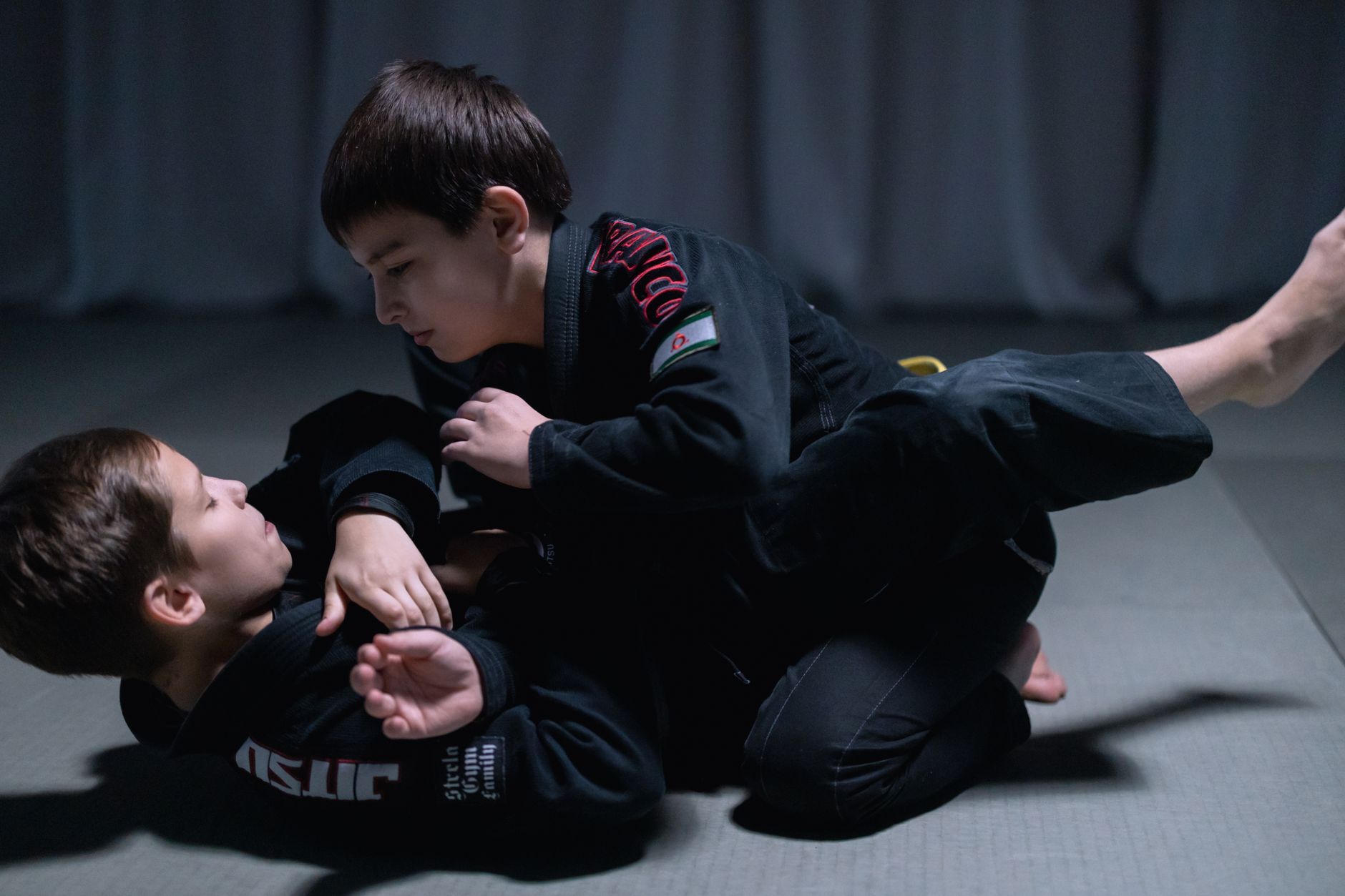
Youth jiu jitsu builds discipline, focus, emotional control and quiet confidence by teaching kids structured skills under consistent, qualified coaching. Classes use routines, drills and problem solving, so kids learn to listen, try again and stay calm. As coaches, we see those habits carry over to school, home and friendships.
What are the top benefits kids get from youth jiu jitsu?
Kids gain discipline, focus, emotional control, confidence and fitness through structured, supervised practice. Training emphasizes control and problem solving, not punching or kicking. The CDC recommends daily activity for school-age kids, and BJJ provides vigorous movement and strength work in a safe, coached setting.
On the mats here in Florence, SC, we see newcomers develop calm focus within weeks. They learn to line up, listen, drill basics and try again without quitting. That effort shows up at home as steadier routines and better frustration tolerance.
Research indexed on PubMed links youth martial arts with improved behavior and emotional regulation after structured programs. We pair this with StopBullying.gov guidance, so kids also practice verbal boundaries and ask for help before things escalate.
How a typical kids BJJ class develops key skills, and what parents usually notice at home
| Skill or trait | How a BJJ class develops it | What parents may notice at home |
|---|---|---|
| Discipline | Line-up, bow-in, clear rules and repeated routines for drills and cleanup | More consistent homework or bedtime routines, better follow-through on chores |
| Focus and attention | Short technique blocks with one or two cues, then partner reps for accuracy | Improved ability to sit, read, or finish tasks without constant reminders |
| Emotional control | Controlled pressure with coaching on calm breathing, tapping and reset | Calmer responses to frustration, fewer meltdowns when plans change |
| Quiet confidence and self-esteem | Small wins, stripes and belts as milestones, plus positive peer roles | Standing taller, clearer voice, more willingness to try new activities |
| Physical coordination and fitness | Games for balance, core engagement, crawling, bridging and safe falls | Better balance, fewer trips, stronger posture and more active play |
How does a jiu jitsu class actually teach discipline and focus?
A kids BJJ class builds discipline and focus by repeating simple routines, drilling one skill at a time, then applying it with clear goals and coach feedback. Short, focused sets keep attention on task while positive cues and resets teach patience and effort.
We break classes into dependable blocks: a warm-up with line drills, a short technique lesson, partner drilling and controlled positional games. Repetition builds habit. Kids hear one or two cues, apply them, then try again. That loop rewards listening and effort, not shortcuts.
We structure beginner classes for safety and attention. Partners are matched by size and skill. We use time-boxed rounds, clear start and stop commands, and immediate praise for good grips, posture and teamwork. Studies in PubMed on youth martial arts report better attention and behavior after consistent, coach-led practice.
How does BJJ build emotional control and quiet confidence in kids?
BJJ builds emotional control by putting kids in safe, supervised problem-solving moments, then coaching calm breathing and solutions. Confidence grows from small wins, consistent effort and visible milestones, not from bravado or striking. We reinforce steady effort and respectful behavior every class.
Kids learn to pause, adjust a grip, change position and try again. Over time, they feel pressure without panic, which translates to calmer responses to school stress or sibling squabbles. We also use quick, coach-led reflections: what worked, what to try next, and how to self-talk in tough rounds.
Quiet confidence comes from earned progress. The IBJJF outlines a youth belt graduation system that gives clear, age-appropriate milestones. We treat each step as a marker of skill and attitude. Peer-reviewed studies cataloged in PubMed show structured martial arts programs can reduce emotional symptoms and hyperactivity in youth, which matches what we see when training is regular and supportive.
Why is grappling, not striking, often a better fit for children?
Grappling emphasizes control, leverage and safe submissions without punches or kicks. Risks still exist, especially with falls and takedowns, so kids need proper breakfalls, slow progressions and close supervision.
We teach breakfalls first, then slow, cooperative entries before any live contact. Kids learn to control space, hold positions and tap early and often. This makes BJJ a strong match for common playground scenarios like grabbing or pushing. Research on BJJ injuries in PubMed shows risk rises in competition compared to regular classes, which is one reason we progress contact carefully.
Many youth programs add true live sparring around ages 8 to 10, but only when a child shows maturity, consistent listening and solid fundamentals. Policies vary by coach. Parents should ask how and when a school adds contact, and how coaches supervise rounds.
How should parents choose a safe Kids & Teens BJJ program, and what will classes look like?
Choose a program with qualified instructors, age-based classes, clear safety rules, progressive contact and open parent communication. Look for clean mats, matched partners and coaches who explain how they handle injuries, behavior and competition. Ask to observe a class and review how they group ages and teach breakfalls.
Our Kids & Teens Bullyproof program groups by age and focuses on awareness, verbal boundaries and safe physical control, not striking. We role play common school situations, practice confident posture and voice, and drill simple holds to control space. Parents hear our plan for when, how and why we add contact or suggest competition.
Expect routines you can spot from the sidelines: line-up and bow-in, a short technique lesson, partner drilling, then structured positional games. We talk with parents about readiness and remind them that competing increases risk. Starting live contact or tournaments too early is not required for growth and can be delayed.
- Do not push a child into full-speed sparring or competition before they show maturity and solid cooperative skills.
- Do not use BJJ as a threat or punishment at home.
- Do not assume belt color equals character or guaranteed outcomes.
- Do not ignore coach communication about injuries, progress or class rules.
- Do not skip warm-ups, progressive drilling and breakfall training.
Train safely
- Any head impact with loss of consciousness, prolonged headache, nausea, blurred vision or balance problems, stop training and seek medical attention.
- Repeated or unexplained mood changes, withdrawal from activities or sustained anxiety after class.
- A program that allows unsupervised contact for young children or lacks progressive contact rules.
- Persistent joint pain or limping after practices that does not improve with rest and basic first aid.
As coaches, we care more about who your child becomes than any scoreboard. With steady practice, youth Jiu-Jitsu builds habits that last: listen, try, breathe, reset and grow. Ready to see it firsthand here in Florence, SC? Message us on WhatsApp to book a free trial and learn about our Kids & Teens Bullyproof program.
References
- CDC, Physical Activity Guidelines for Children and Adolescents - cdc.gov
- CDC HEADS UP, Concussion Signs and Symptoms - cdc.gov
- StopBullying.gov, Prevention: What You Can Do - stopbullying.gov
- IBJJF Graduation System, Youth Belts and Guidelines - ibjjf.com
- PubMed, Youth martial arts and behavior/emotion outcomes - pubmed.ncbi.nlm.nih.gov
- USA Wrestling, Parents’ Guide and Safety Resources - usawrestling.org
Published by Competitive Edge Combat Sports, Florence, SC. Last updated October 20, 2026.