Blog · Competitive Edge Combat Sports
jiu jitsu for self defense: why it works and when to be careful
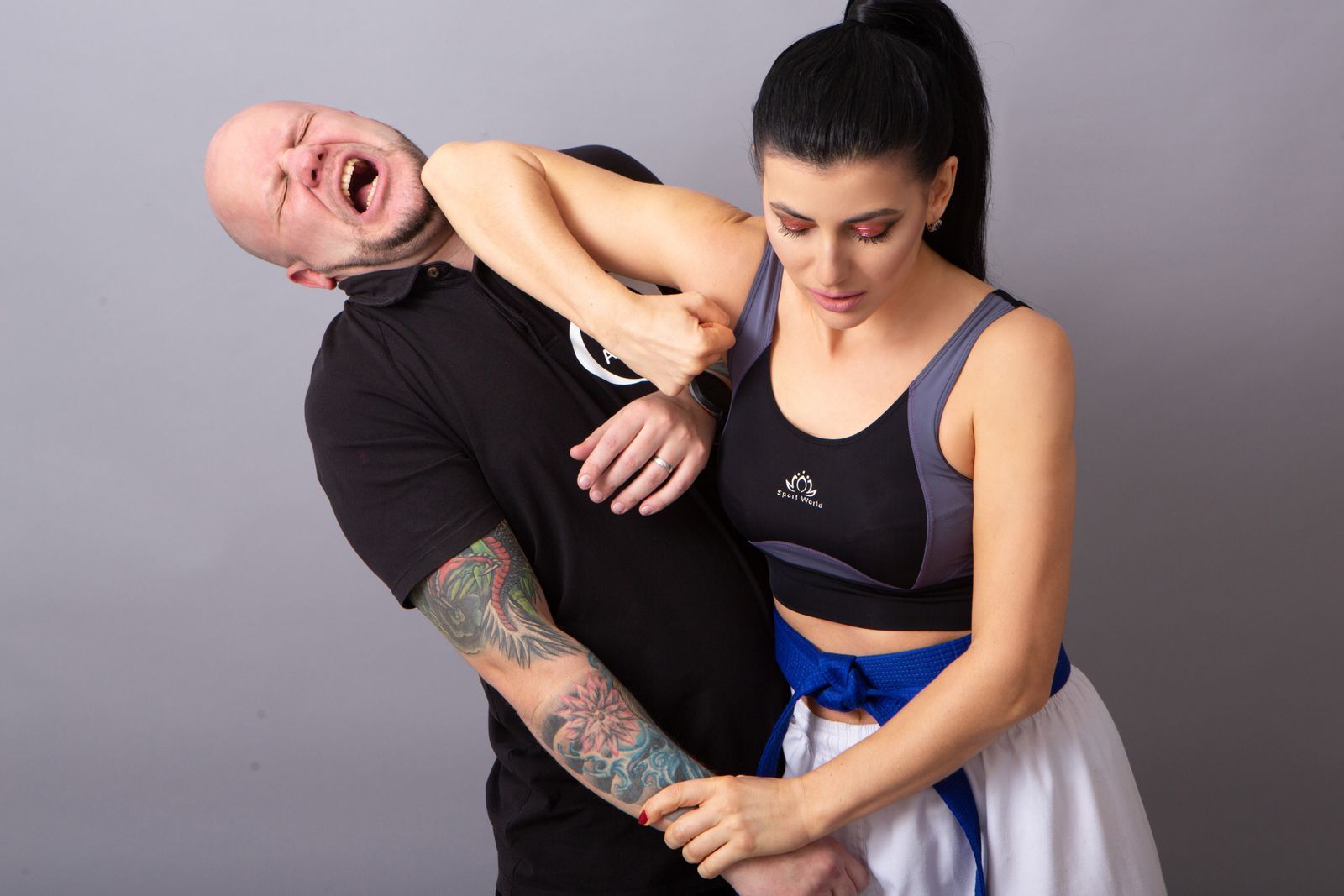
Jiu jitsu for self defense works because leverage-based grappling gives you escapes, control, and safe submissions, and you must be careful around multiple attackers, weapons, and extended striking. Brazilian Jiu-Jitsu, or BJJ, teaches you how to manage distance, close safely, survive on the ground, and stand up.
We coach these skills every week. You learn to frame, clinch, escape bad positions, and apply nonlethal submissions when needed. You also learn awareness, verbal boundaries, and how to disengage.
What are the quick facts about jiu jitsu for self defense?
BJJ teaches you to survive bad spots, control a person one-on-one, and end a fight without relying on size or strength. It focuses on grappling and ground fighting, which can decide many real confrontations. Limits exist, so we prioritize de-escalation and escape, then controlled grappling when needed. See the quick facts above.
Brazilian Jiu-Jitsu is defined by positional control and submissions like joint locks and chokes that can stop aggression without striking. Wikipedia outlines this focus on leverage and ground fighting. Research on PubMed links consistent training with conditioning and better stress management.
Real-world situation, how BJJ helps, and its practical limits
| Real-world situation | How BJJ helps | Limits and what to do |
|---|---|---|
| One-on-one takedown to the ground | Guard, sweeps, and submissions to stop strikes and gain control | Watch for other attackers. Control briefly, stand up, and exit |
| Pinned on the ground by a heavier person | Bridging and shrimping to escape, recover guard, then technical stand-up | If a weapon appears, create space and disengage, call for help |
| Standing confrontation with wild punches | Close distance with a clinch, off-balance, takedown to safe control or break away | Strikers who keep range are dangerous. Cover, clinch fast, or disengage |
| Grabbed from behind or in a bear hug | Base, hand-fighting, turn to face, clinch, then escape | Accomplices change the plan. Break the grip and move to an exit |
How does BJJ let a smaller person control a larger attacker?
BJJ uses frames, leverage, and body mechanics to beat raw strength. You place your bones as barriers, shift hips to create space, and use weight distribution to off-balance a bigger person. From there, you escape, sweep, or submit. Size matters, but technique helps you even the odds.
Core movements matter most: shrimping moves your hips out from under pressure; bridging bumps and turns heavy opponents; the guard is a position where you control someone between your legs and can sweep or submit; passing means advancing to safer, stronger positions like side control or mount; a technical stand-up is a safe way to stand without exposing your face.
On the mats here in Florence, SC, we coach technical entries and escapes over strength. You learn to connect the pieces: frame, hip escape, recover guard, sweep, control, and stand up. Wikipedia covers this leverage-first approach, and research on PubMed links practice to usable skill under stress.
Which real-world situations favor BJJ skills?
BJJ shines in one-on-one grabs that turn into clinches or takedowns, in defending when you get dragged to the ground, and in closing distance to neutralize wild punches. It also offers nonlethal control through submissions, which helps keep your response proportional to the threat.
Examples you can picture:
- You get tackled. You use frames, guard, and a sweep to get on top, then stand and leave.
- You are pinned. You bridge and shrimp to escape side control, then technical stand-up to exit.
- Someone swings in tight quarters. You cover, clinch to stop punches, off-balance, then control or break away.
- You need control without lasting harm. You apply a joint lock or a choke, hold briefly to stop aggression, then release and disengage.
We also talk about legal considerations in class: use the least force necessary and leave as soon as you can. In our Self Defense sessions, we add breathing and pressure drills to practice staying calm while you make decisions.
Where is BJJ limited as a street self-defense system?
Pure grappling is risky against multiple attackers, armed assailants, or someone who keeps you at striking range for a long time. Getting entangled on the ground can expose you to others. The smart plan is awareness, avoidance, and escape first, then control only when escape is blocked.
Why these limits exist:
- Multiple attackers: tying up with one person can let others kick or strike you. Keep moving, look for exits, and disengage.
- Weapons: knife, gun, or blunt objects change the risk. Trying to wrestle an armed person is very dangerous unless escape is impossible and you have specific training.
- Extended striking: a skilled striker who manages distance can pick you apart. You need clinch entries, takedown defense, and basic striking to close safely.
Research on PubMed shows combat sports carry injury risk. We use progressive drilling and clear safety rules. For real defense, we add awareness and decision-making to reduce exposure to high-risk scenarios.
How does Competitive Edge teach self-defense with BJJ skills?
We teach adults and women practical standing-to-ground skills: safe clinch entries, takedown defense, control positions, escapes, and short, sharp strikes to create space. We build from fundamentals to scenario work with realistic resistance, so your skills hold up under pressure.
We start beginners with technical stand-ups, posture and frames, and controlled partner drills. Then we layer guard retention, mount escapes, sweeps, and submissions that let you stop aggression without causing unnecessary harm. You drill from common starts like lapel grabs, wrists, headlocks, bear hugs, and tackles.
We avoid long solo memorization. You will repeat high-percentage moves, then stress-test them with a resisting partner in rounds. The goal is simple: survive the first seconds, break balance, control briefly when needed, then exit. If you want a dedicated option, our Women’s Self Defense class gives the same skills in a focused setting. For a full breakdown of what an adult class covers, see self defense classes for adults in Florence, SC.
How should you train safely, and what should you avoid doing?
Train with progressive intensity, tap early, and respect your partner. After an injury, slow down and rebuild. Stop if you have head impact symptoms or severe pain. This approach reduces risk while keeping training effective, and it aligns with CDC guidance and research indexed on PubMed about concussion and sports injuries.
Practical safety habits:
- Warm up, learn correct mechanics, then add speed and resistance.
- Communicate. Tell partners what you are working on and when to dial it back.
- Tap to joint locks and chokes early. Partners release right away.
- If something feels off, sit out and talk to a coach.
See the What NOT to do list below, and the red flag box for signs to stop. If you want a safe place to start in Florence, message us to try a free Self Defense class.
- Do not rely on techniques you have not drilled against resisting partners.
- Do not escalate a situation you can avoid, talk down or walk away from.
- Do not try to grapple an armed attacker, unless escape is impossible and you have specific training.
- Do not train full-force without proper supervision and progressive drills.
- Do not assume sport-only BJJ covers all street scenarios, cross-train or learn situational awareness.
Train safely
- If you hit your head, feel dizziness, nausea, confusion or persistent headache after training or an incident, stop and seek medical attention (possible concussion).
- Stop training and see a doctor for severe joint pain, visible deformity, intense swelling or inability to bear weight on a limb.
- If you experience chest pain or trouble breathing after an incident, seek emergency care immediately.
We believe practical self-defense should be simple, repeatable, and tested against resistance. That is how we train it. Come feel how leverage and calm decision-making change the picture fast. Claim your free trial on WhatsApp at (843) 269-6190 or https://wa.me/18432696190. If you are nearby, visit our Self Defense page at /self-defence and book your first class with the team here in Florence, SC.
References
- Brazilian jiu-jitsu, Wikipedia (overview) - en.wikipedia.org
- PubMed, National Library of Medicine (combat sport training and injury research portal) - pubmed.ncbi.nlm.nih.gov
- IBJJF (International Brazilian Jiu-Jitsu Federation) - ibjjf.com
- CDC (Centers for Disease Control and Prevention) concussion and sports safety - cdc.gov
Published by Competitive Edge Combat Sports, Florence, SC. Last updated October 19, 2026.