Blog · Competitive Edge Combat Sports
self defense classes for adults in Florence, SC: what they actually teach
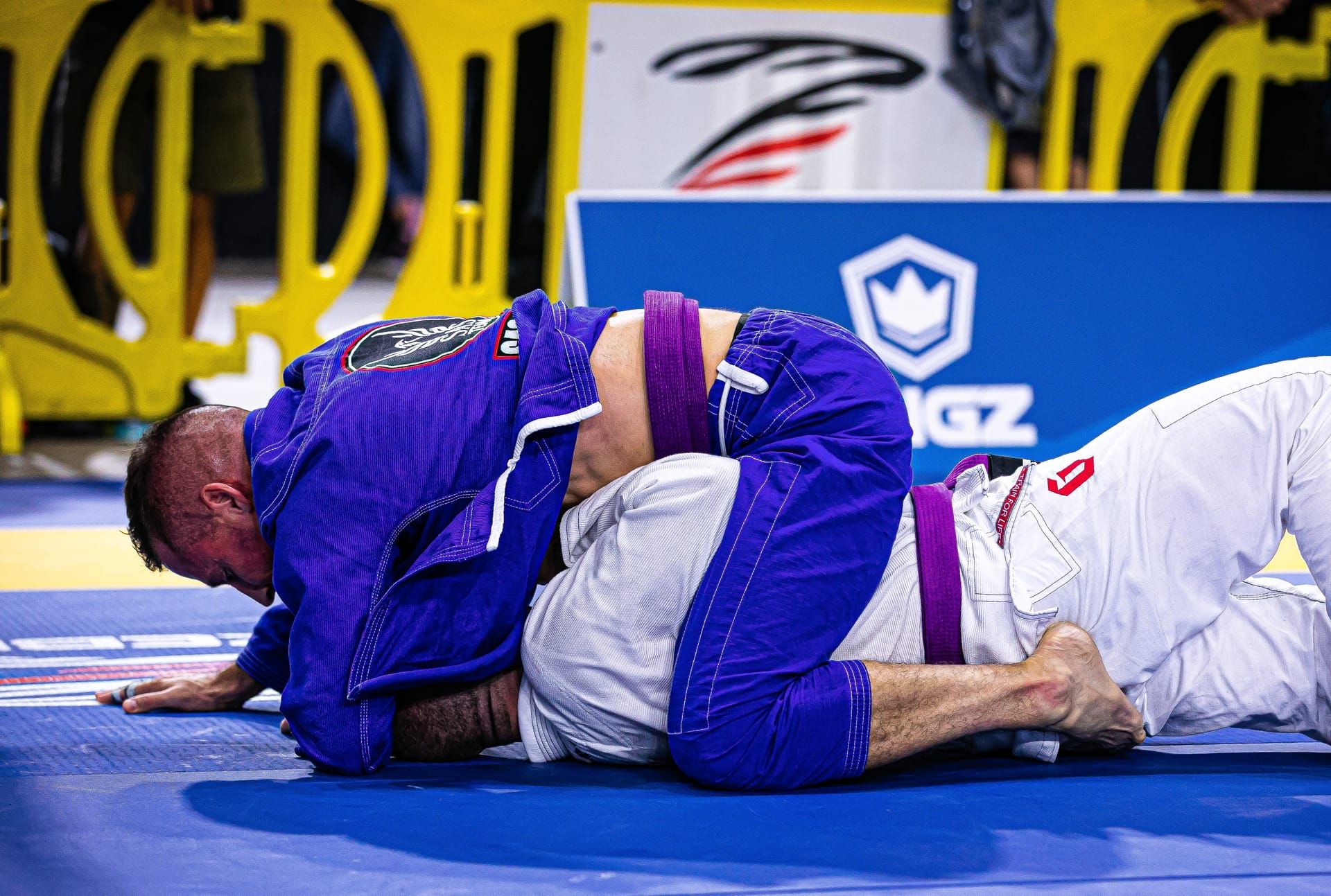
A real self defense class for adults teaches awareness and avoidance first, then a small set of physical skills you can actually use under pressure: standing control, takedown defense, ground escapes, and safe control positions. You drill them against a resisting partner so they hold up when it counts. No experience is needed, and you get in shape by training.
We coach these skills every week here in Florence, SC. You learn to read a situation, set verbal boundaries, and disengage when you can. If contact happens, you learn to control the moment long enough to get out safely.
What does an adult self defense class actually cover?
A good class is simple and repeatable. It starts with awareness: reading exits, keeping distance, and using your voice to set a boundary. Then it moves to physical fundamentals you can drill, like posture, framing, and takedown defense. Finally, it adds ground escapes and control, because many real confrontations end up close range or on the floor.
The base of what we teach is Brazilian Jiu-Jitsu, a leverage-based grappling system that lets a smaller person manage a larger one. Wikipedia describes this focus on control and escapes rather than strength. If you want the deeper picture of why it works and where to be careful, read our guide on jiu jitsu for self defense. We keep it practical: fewer techniques, drilled well, tested against a partner who resists.
Below is a quick map of the skill areas, what you practice in each, and why it matters.
| Skill area | What you practice | Why it matters |
|---|---|---|
| Awareness and avoidance | Reading exits, keeping distance, verbal boundaries, and de-escalation | The safest response is not being there. Most problems can be avoided or defused |
| Standing control | Posture, framing, clinch entries, and takedown defense | Stops a bigger person from dragging you down and buys time to disengage |
| Ground escapes | Bridging, shrimping, guard recovery, and the technical stand-up | Lets you get off the floor and back to your feet to exit safely |
| Safe control positions | Holding position and applying controlled, nonlethal submissions | Gives a proportional response so you can stop aggression and then leave |
Do you need experience or to be in shape first?
No. You start where you are, and the training gets you in shape. We begin every beginner with fundamentals: how to move, how to frame, and how to fall and stand up safely. Then we layer controlled partner drills before adding realistic resistance. The pace scales to you, not the other way around.
This matters because people often wait to “get ready” before starting. You do not need to. CDC guidance on physical activity is clear that regular movement builds strength and endurance over time, and consistent mat time is exactly that kind of movement. Research indexed on PubMed also links combat sport training with better conditioning and stress regulation.
On the mats here in Florence, SC, we see the same pattern again and again: someone starts with zero background, drills the basics for a few weeks, and suddenly the escapes and control positions feel natural. Steady practice, not a perfect starting point, is what builds usable skill.
How does leverage let a smaller adult control a larger one?
Self defense that relies on being bigger or stronger fails the people who need it most. That is why we teach a leverage-first approach. You place your limbs as frames, shift your hips to create space, and use body position to off-balance a heavier person. From there, you escape, stand up, or control briefly and exit.
A few core movements do most of the work:
- Framing puts your bones between you and pressure so you can breathe and think.
- Shrimping moves your hips out from under weight to rebuild space.
- Bridging bumps and turns a heavier person to start an escape.
- The technical stand-up gets you to your feet without exposing your head.
Wikipedia outlines this leverage-based logic, and it is the reason our classes work for adults of every size. You are learning mechanics and timing, drilled until they hold up under a resisting partner.
Where do self defense classes reach their limits?
Honest training means naming the limits. Grappling is strong one-on-one, but it is risky against multiple attackers, weapons, or someone who keeps you at striking range for a long time. Getting entangled on the ground can expose you to others. So the plan is always awareness and escape first, and control only when escape is blocked.
Why these limits exist:
- Multiple attackers: tying up with one person lets others reach you. Keep moving and look for an exit.
- Weapons: a knife or gun changes everything. Trying to wrestle an armed person is very dangerous unless escape is impossible and you have specific training.
- Extended striking: a skilled striker who manages distance is hard to reach. You need clinch entries and takedown defense to close safely, or you disengage.
We build these limits into class on purpose. You practice decisions under mild pressure, so you learn to stay calm and pick the safest option instead of freezing.
How does Competitive Edge run its adult self defense classes?
We teach adults practical, standing-to-ground skills in a welcoming room: safe clinch entries, takedown defense, ground escapes, control positions, and short movements to create space. We build from fundamentals to scenario work with realistic resistance, so your skills transfer beyond the drill.
We avoid long solo memorization. You repeat a few high-percentage moves, then stress-test them with a partner in short rounds. The measure of success is simple: survive the first seconds, break balance, control only as long as needed, then exit. If you want a focused option, our Women’s Self Defense class teaches the same skills in a dedicated setting.
How should adults train self defense safely?
Train with progressive intensity, tap early, and respect your partner. Warm up, learn the mechanics, then add speed and resistance. After an injury, slow down and rebuild instead of pushing through. This keeps training effective while lowering risk, and it lines up with CDC guidance and research indexed on PubMed about concussion and sports injuries.
A few habits keep it safe:
-
Tell partners what you are drilling and when to dial it back.
-
Tap to joint locks and chokes early, and release the moment your partner taps.
-
Sit out and talk to a coach if something feels off.
-
Do not rely on a technique you have not drilled against a resisting partner.
-
Do not escalate a situation you can walk away from or talk down.
-
Do not try to grapple an armed attacker, unless escape is impossible and you have specific training.
-
Do not train full-force without supervision and a proper warm-up.
-
Do not assume one class makes you safe. Consistency and awareness do the real work.
Train safely
- If you hit your head and feel dizziness, nausea, confusion or a persistent headache, stop and seek medical attention (possible concussion).
- Stop and see a doctor for severe joint pain, visible deformity, intense swelling, or an inability to bear weight on a limb.
- If you have chest pain or trouble breathing after an incident, seek emergency care immediately.
Practical self defense should be simple, repeatable, and tested against resistance. That is how we teach it, one honest step at a time. Come feel how awareness, leverage, and calm decisions change the picture fast. Claim your free trial on WhatsApp at (843) 269-6190 or https://wa.me/18432696190. To see the program and book your first class, visit our Self Defense page at /self-defence and train with the team here in Florence, SC.
References
- Brazilian jiu-jitsu, Wikipedia (overview) - en.wikipedia.org
- PubMed, National Library of Medicine (combat sport training and injury research portal) - pubmed.ncbi.nlm.nih.gov
- CDC, Physical Activity Basics - cdc.gov
- CDC, HEADS UP concussion basics - cdc.gov
Published by Competitive Edge Combat Sports, Florence, SC. Last updated September 4, 2026.